Layout and Installation for Milling and Evaluation
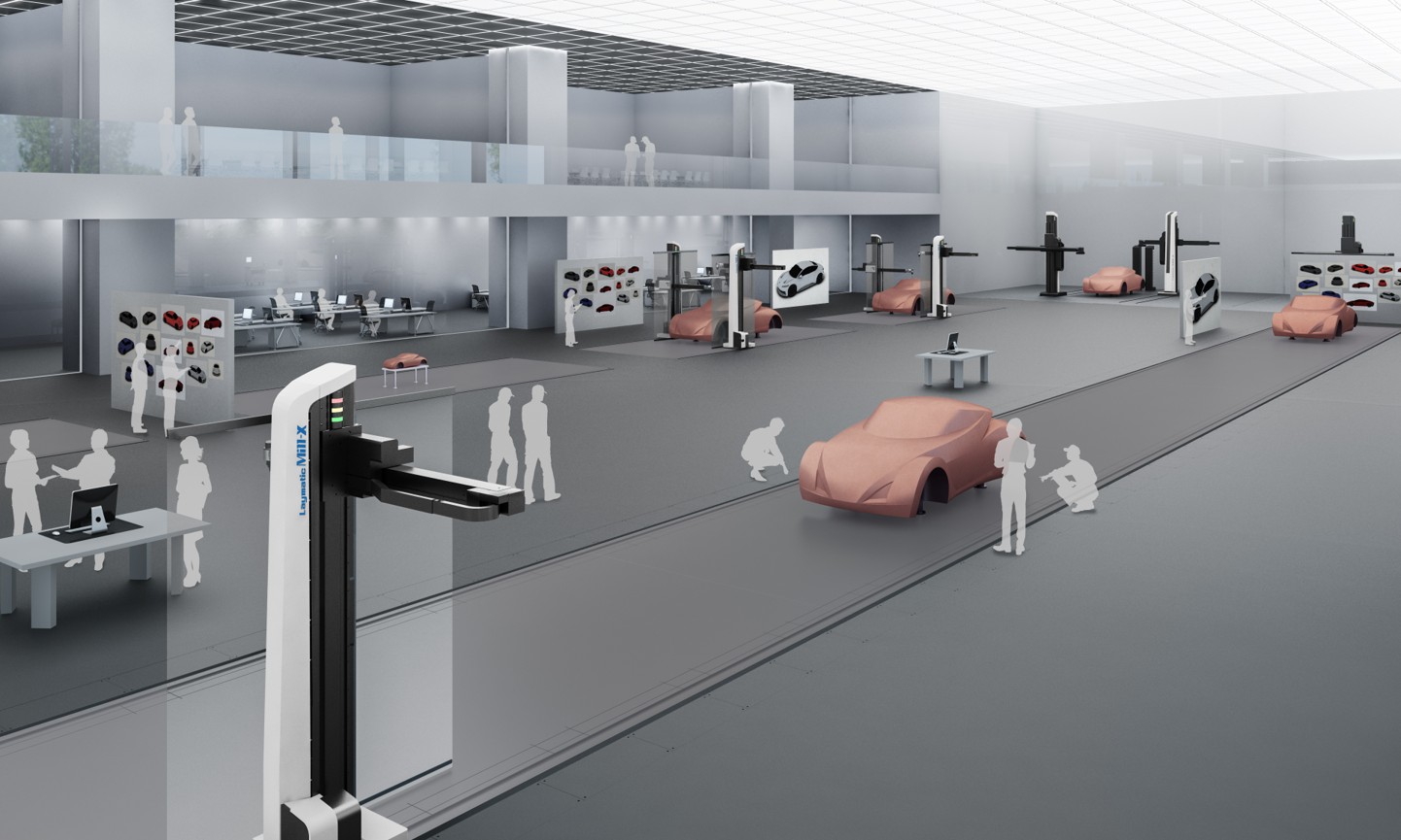
Layout decisions often determine how fast your studio can iterate—long before the machine specs do. A workflow designed to keep evaluation and machining in one space helps prevent delays in the “review → refine → re-cut” loop. Plan early for raised-floor vs. pit (trench) installation, cabling, safety clearances, material-handling routes, and future scalability to avoid costly rework after go-live.

How to Avoid Layout Mistakes in a Design Studio

Studio Workflow Evaluation and Machining

Designing the Workflow Loop:
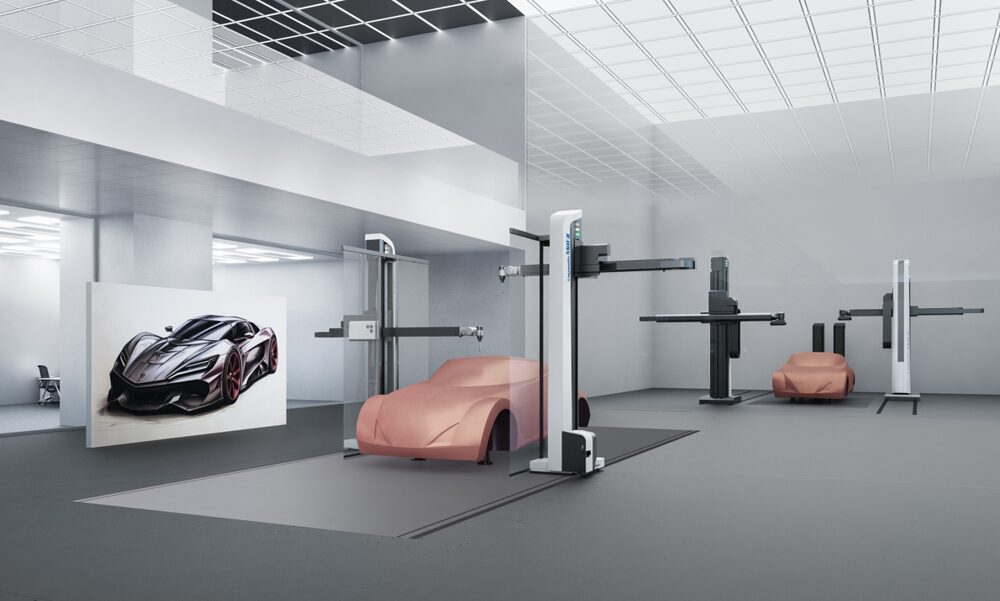
Evaluation & Machining in One Space

Layout decisions often dictate your studio's iteration speed before the machine specs do. By designing a workflow that keeps evaluation and milling in the exact same space, you eliminate the hidden delays of transporting models between rooms.

A consolidated setup ensures that the "review → refine → re-cut" loop remains continuous, preventing your design team from waiting on logistics and allowing them to focus entirely on surface quality.

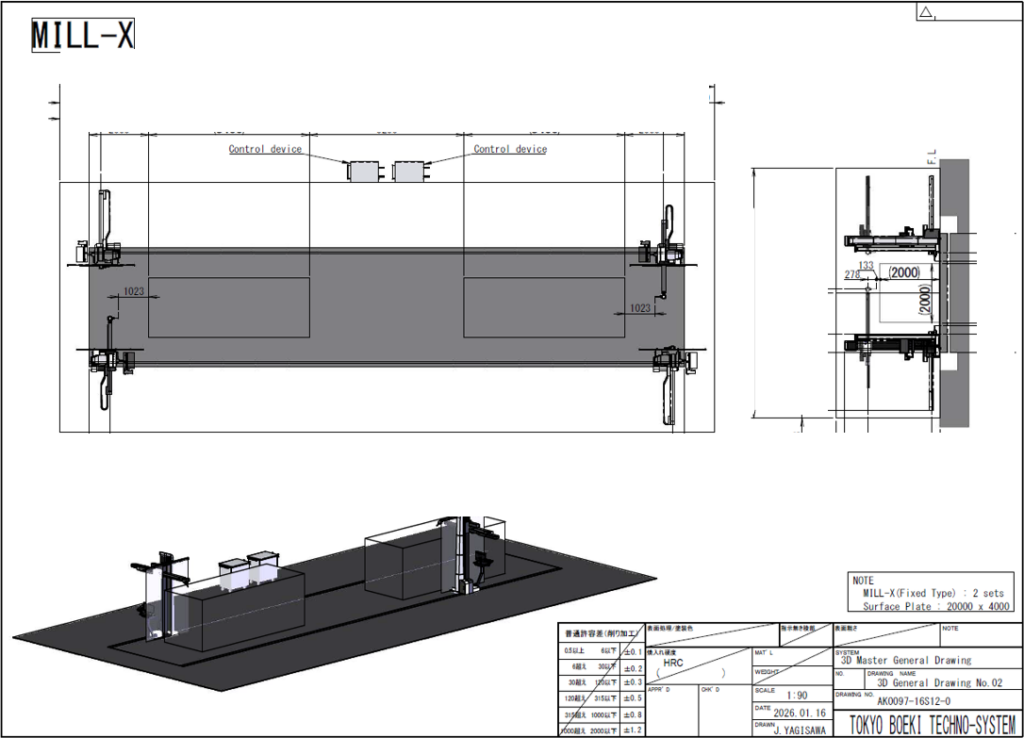
Raised Floor and Pit Installation

Raised Floor vs. Pit (Trench),
Cabling, and Safety Clearances

The physical foundation of your studio requires early alignment. You must decide between a raised floor setup or a pit (trench) installation to seamlessly manage heavy cabling and ensure a safe, flush-surface environment.

Equally critical is mapping out clear safety perimeters around the machine's working envelope and planning material-handling routes. Solving these infrastructure constraints upfront avoids costly facility rework and operational friction after go-live.

Download the 3D General Drawing for More Information

We will manage these personal information under appropriate safety measures and we will not disclose / offer to third parties without your consent in advance. Please refer to our company privacy policy.

Explore Related Information

Model Selection of Milling Machine Laymatic Series

In automotive design, speed and iteration quality depend on how quickly you can turn digital data into physical clay models—and repeat that cycle without friction. ...

Unlocking 24/7 Productivity Through Engineered Safety

Unattended night and weekend operation can significantly increase your studio’s throughput, allowing your team to review updated models each morning. However, true autonomous operation requires ...

Operation UX: Pendant & Remote Control

The gap between a machine's theoretical speed and actual daily throughput is often determined by user experience. Explore how intuitive interfaces, remote capabilities empower your ...

Preventive Maintenance

Behind every reliable milling machine is a disciplined maintenance program. From annual on-site inspections to traceable accuracy records, preventive maintenance helps ensure stable performance over ...