Unlock 24/7 Productivity with Engineered Safety

Unattended night and weekend operation can significantly increase your studio’s throughput, allowing your team to review updated models each morning. However, true autonomous operation requires more than simply scheduling a job—it requires a solid foundation of engineered safety.

Conditions Required for Safe Unattended Operation

Standardized Operating Rules

Standardized Operating Rules:
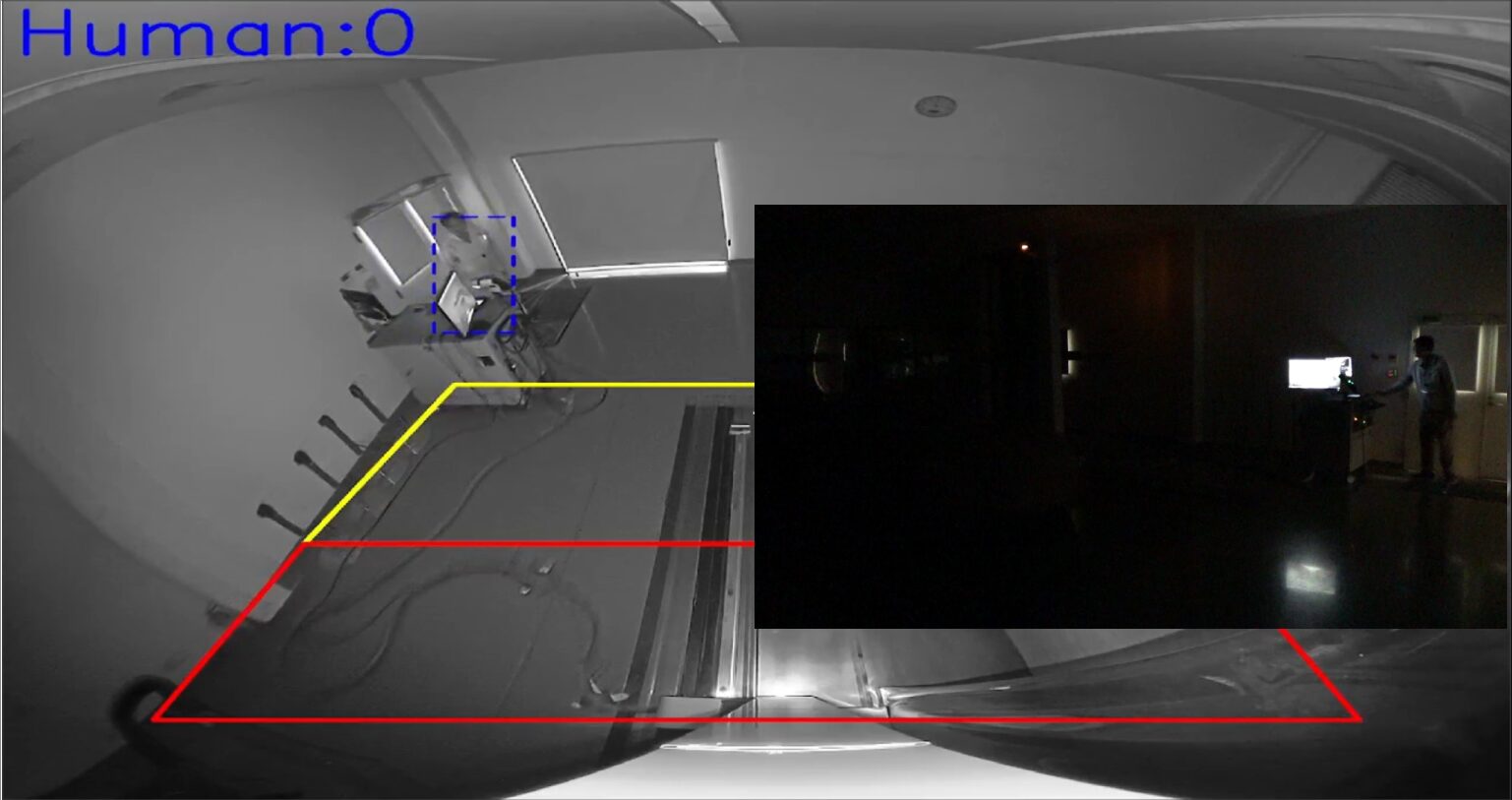
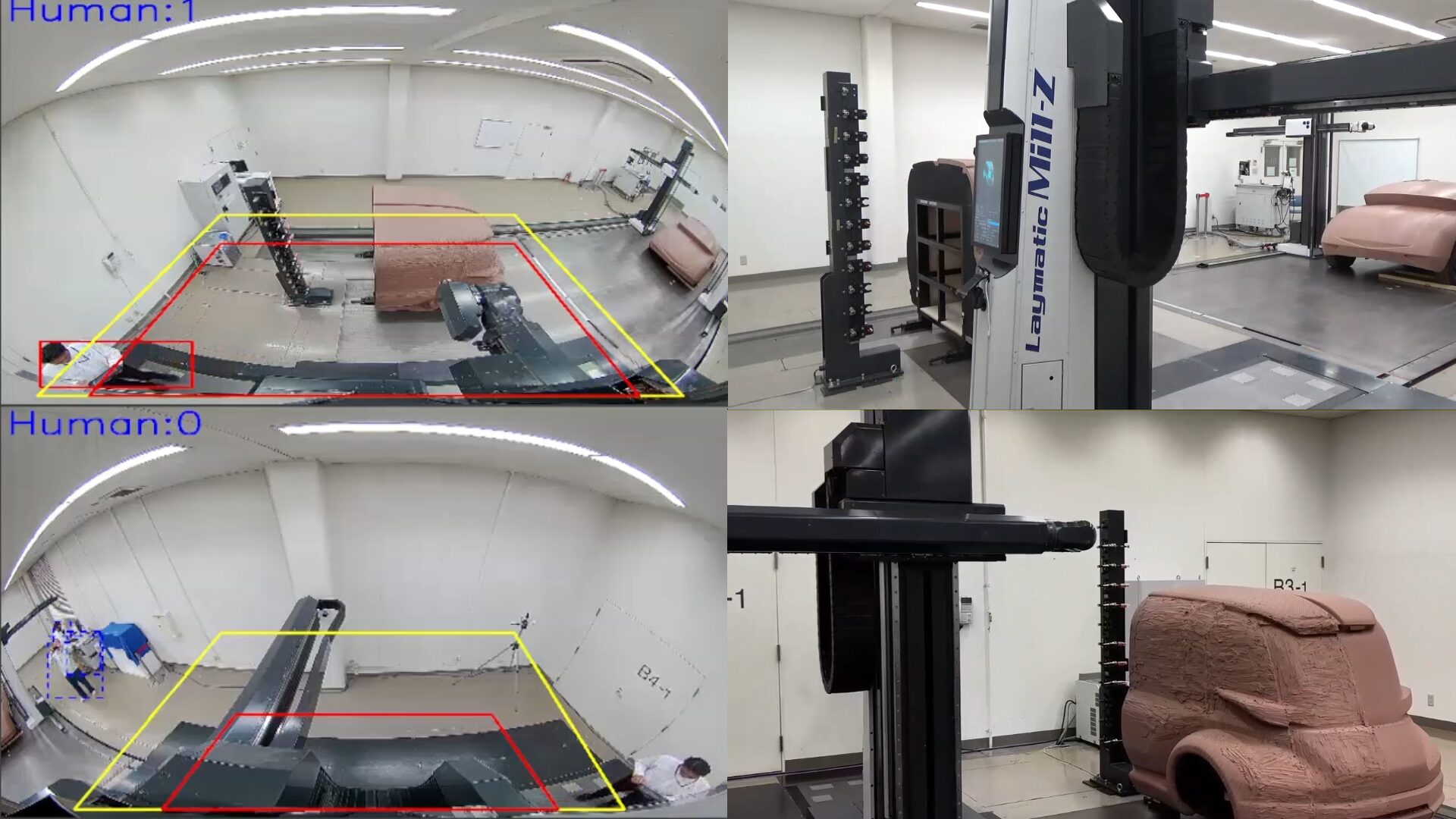
Access & Pre-Run Checks with AI camera support

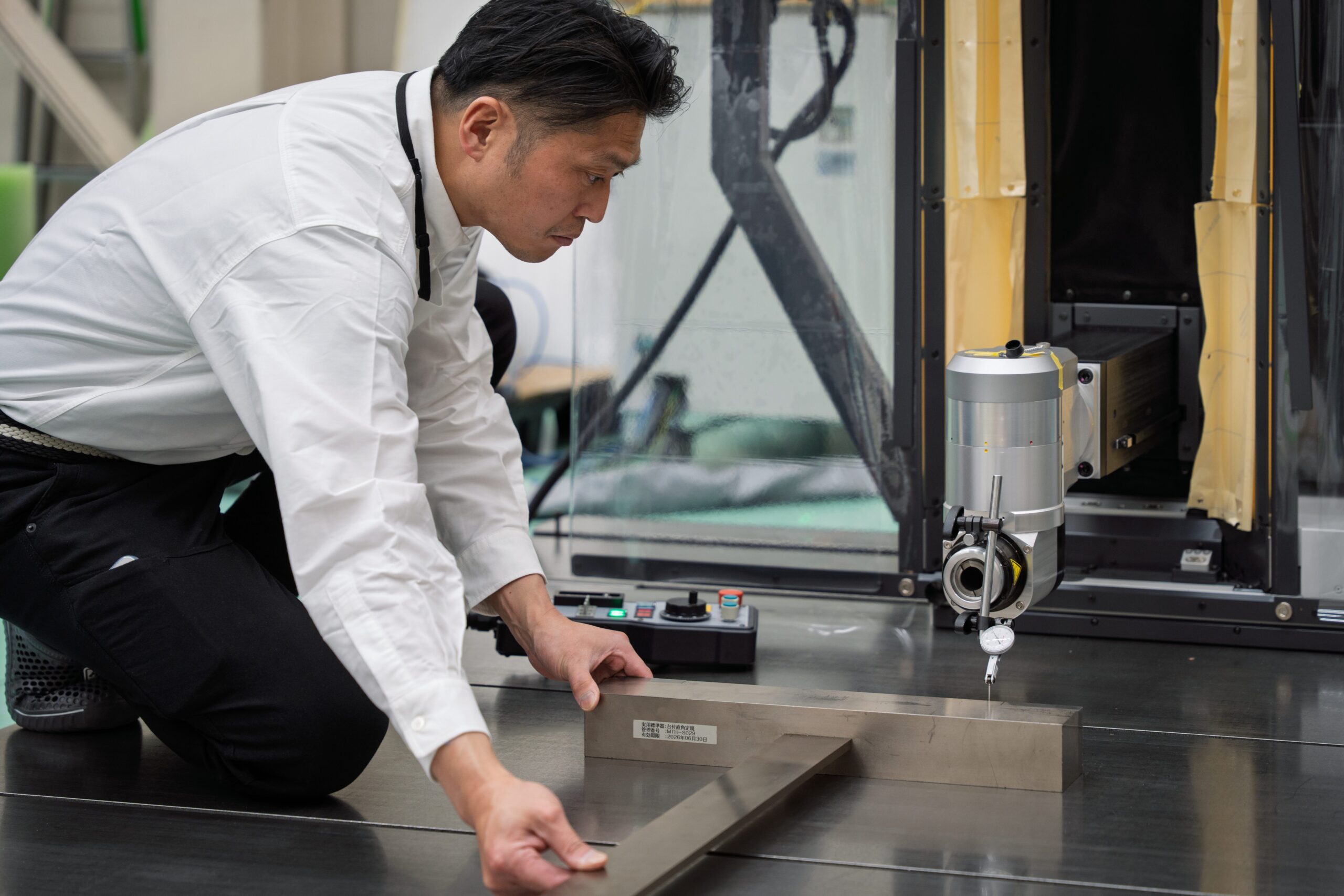
Hardware safety must be paired with clear operating procedures. During night operation, it is essential to establish restricted access zones and follow a standardized pre-run checklist.

By standardizing these rules, your team can move from daytime evaluation to 24/7 machining with greater confidence and less reliance on operator judgment.

We support the implementation of safety measures using AI-integrated cameras in the design studio.

See How AI Camera Supports Your Safety

Collision Avoidance and Monitoring

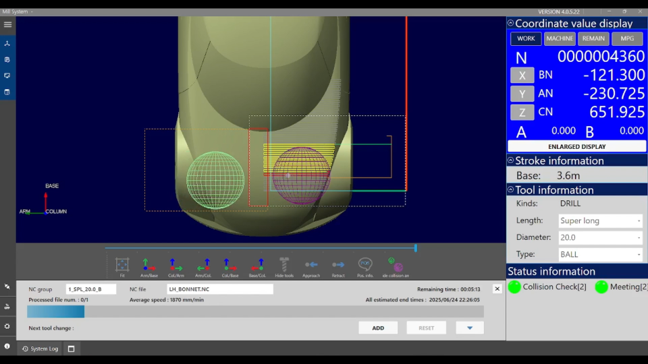
Collision Avoidance, Monitoring, and Stop Criteria

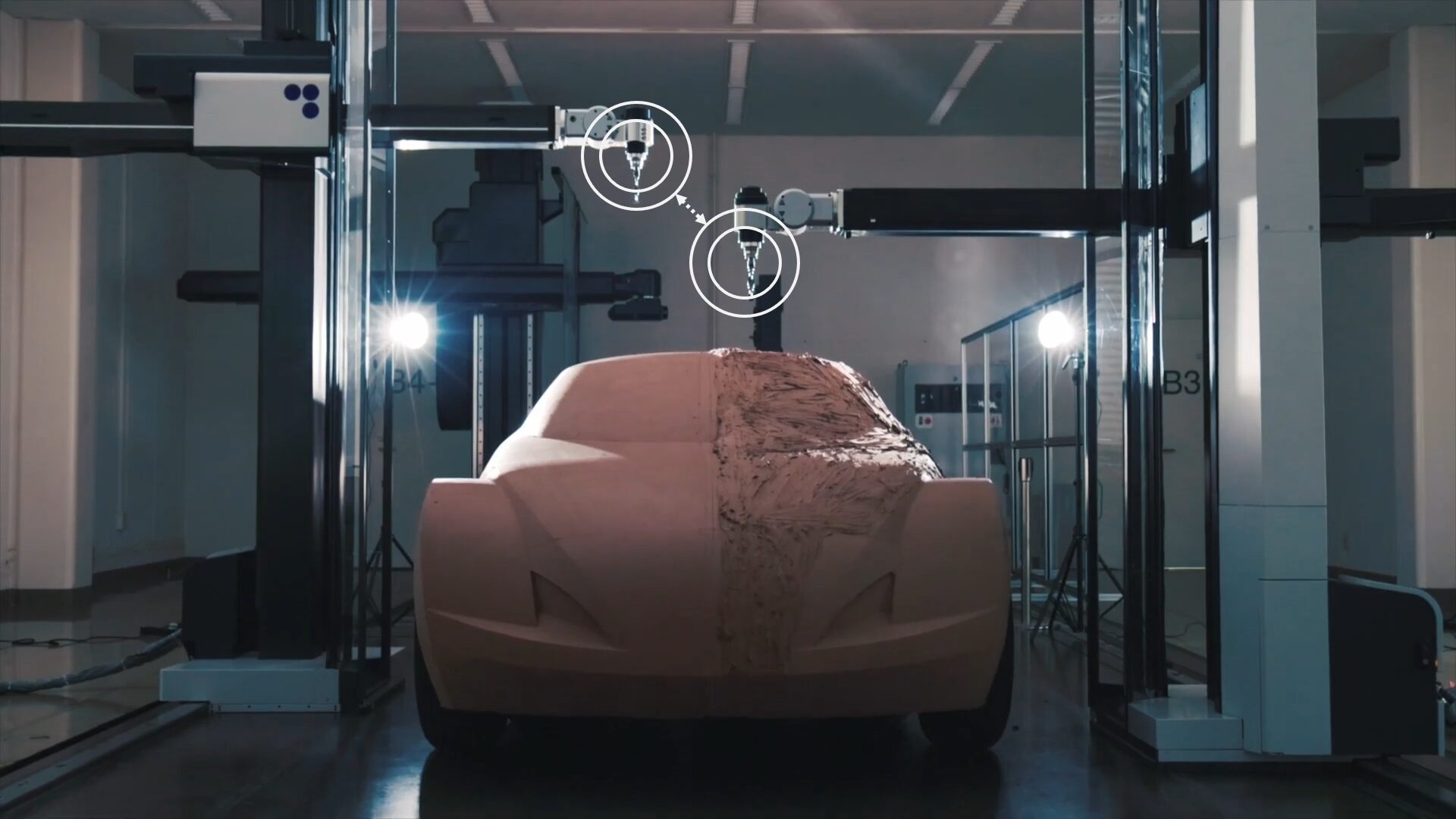
Running your mill unattended requires more than simply scheduling a job—it requires engineered safety. The system must be equipped with active monitoring and reliable collision avoidance to detect fixturing errors or unexpected obstacles.

Clearly defined stop criteria ensure that the machine halts immediately when an abnormal condition is detected, helping protect both the equipment and the physical model.

Short Video of Anti-Collision Function

Advanced Functions to Maximize Milling Efficiency

  • Reduced Machine Stops: Spindle overload detection and retry functions minimize halts caused by machining loads.
  • Continuous Batch Processing: Seamlessly mill multiple workpieces, such as interior parts, in a single continuous operation.
  • Safe Face-to-Face Milling: Collision prevention and interference avoidance features ensure safety even during close-proximity face-to-face machining.
  • Enhanced Autonomous Safety: Lockout and interlock controls provide maximum security during fully automated, unattended runs.
  • Heavy-Duty NC Data Capacity: Capable of processing massive NC data files for up to 3 days of continuous, uninterrupted milling.
  • Simultaneous 5-Axis Flat Milling: Reduces overall milling and finishing times through high-efficiency simultaneous 5-axis control.

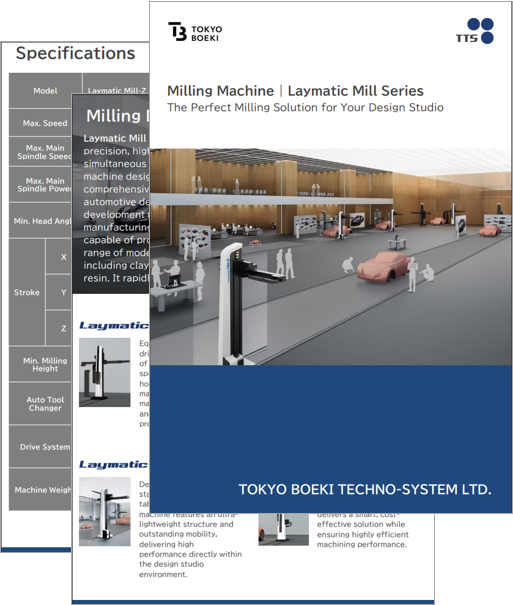
See the catalog for specifications

Clay Milling Machine Catalog

We will manage these personal information under appropriate safety measures and we will not disclose / offer to third parties without your consent in advance. Please refer to our company privacy policy.

Explore Related Information

Preventive Maintenance

Behind every reliable milling machine is a disciplined maintenance program. From annual on-site inspections to traceable accuracy records, preventive maintenance helps ensure stable performance over ...

Operation UX: Pendant & Remote Control

The gap between a machine's theoretical speed and actual daily throughput is often determined by user experience. Explore how intuitive interfaces, remote capabilities empower your ...

Model Selection of Milling Machine Laymatic Series

In automotive design, speed and iteration quality depend on how quickly you can turn digital data into physical clay models—and repeat that cycle without friction. ...

Layout and Installation for Milling and Evaluation

Layout decisions often determine how fast your studio can iterate—long before the machine specs do. A workflow designed to keep evaluation and machining in one ...